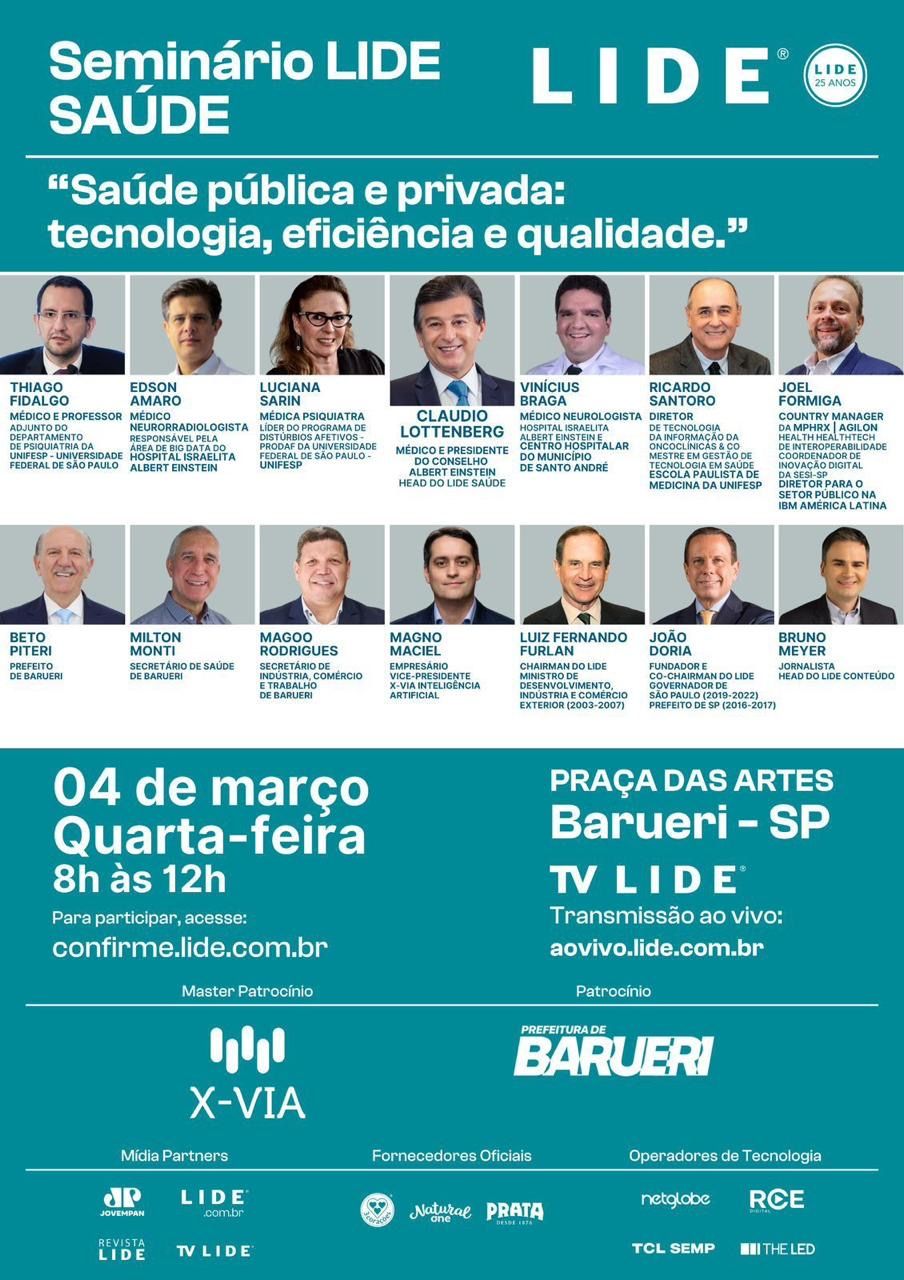
The room at Praça das Artes in Barueri, São Paulo was not a startup pitch event.
LIDE — the Group of Leaders of Entrepreneurship and Business — represents 52% of Brazil's private GDP. The executives, policymakers, and health system leaders who fill those chairs do not come to hear about experimental technology. They come to hear about what is arriving.
On March 12, 2026, Vizbodx was on that stage.
The Panel: Technology, Efficiency, and Quality in Public Health
The LIDE Health Summit session — titled "Saúde pública e privada: tecnologia, eficiência e qualidade" (Public and Private Health: Technology, Efficiency, and Quality) — brought together clinicians, AI specialists, and former government leaders to address a central question: how does Brazil scale quality healthcare across a system that serves over 200 million people?
Vizbodx contributed three voices to that conversation:
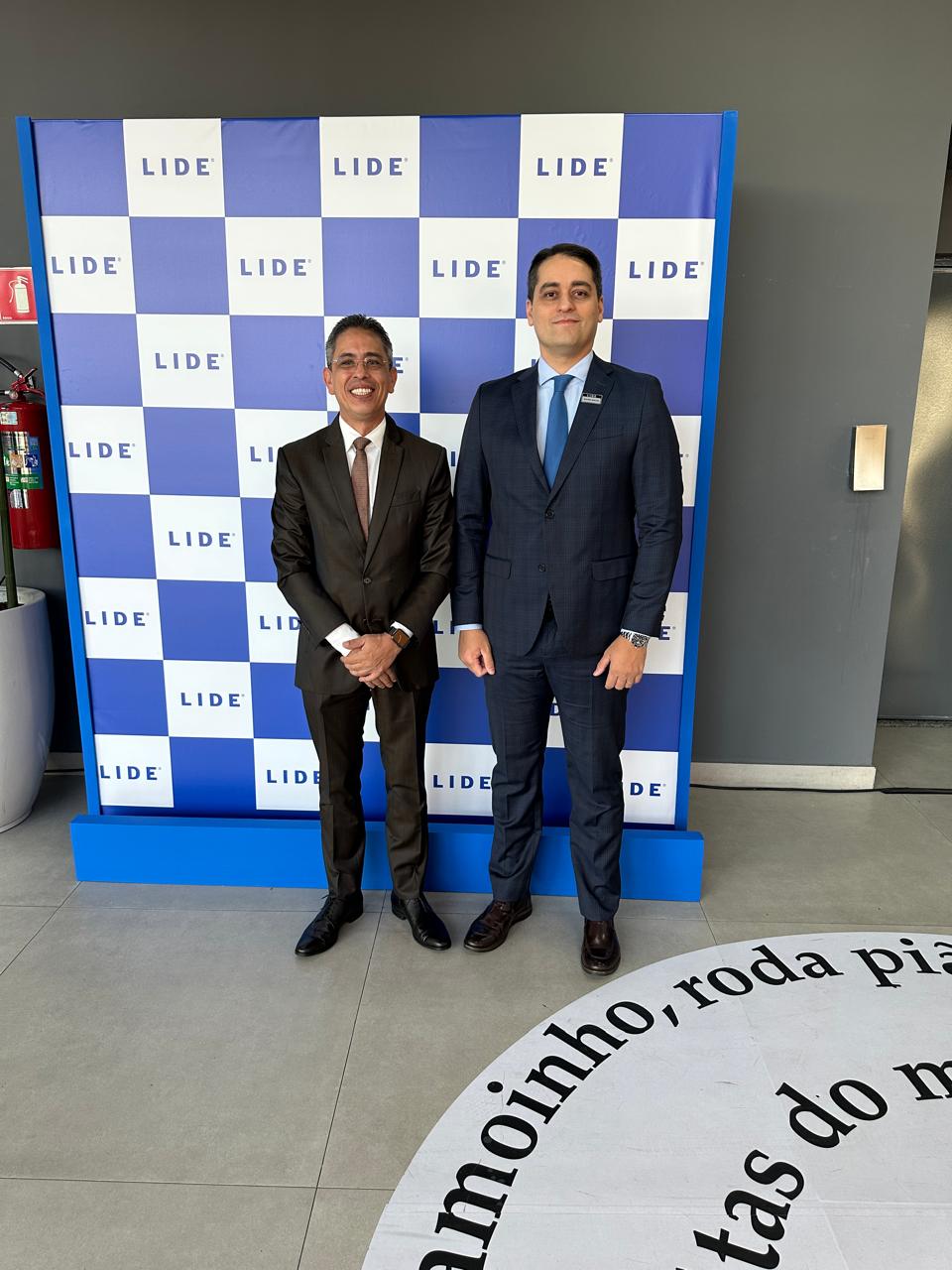
Magno Maciel, AI specialist, presented the computational architecture behind Vizbodx's infrared thermal imaging platform and what machine learning contributes to physiological pattern recognition at scale.
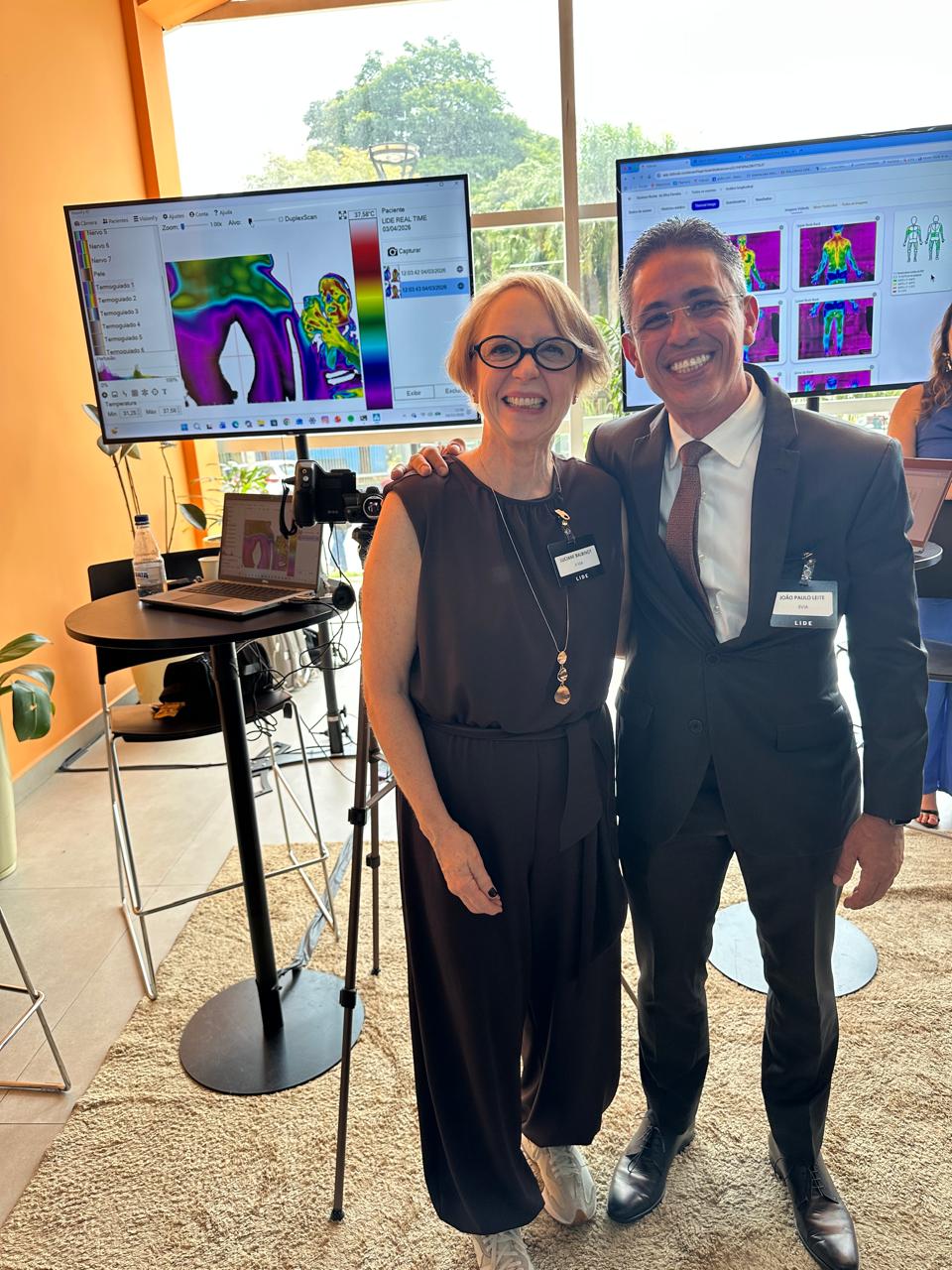
Dr. João Paulo Bezerra Leite, orthopedic and traumatology specialist, addressed the clinical dimension — how thermal imaging changes the assessment of musculoskeletal conditions, pain mechanisms, and recovery trajectories in ways that conventional structural imaging cannot.
Luciane Balbinot, pain diagnosis specialist, brought the patient perspective: what it means clinically and humanly to give a physician the ability to, in her words, "see what the patient feels."
The session also featured João Doria, former Governor of São Paulo, and Luiz Fernando Furlan, former Minister of Development, Trade and Industry — a signal that the conversation had moved well beyond the clinical setting.
The Invisibility of Pain — At Population Scale
The clinical insight that runs through Vizbodx's individual case work — that pain can be physiologically real and structurally invisible — becomes a systemic problem when considered at the scale of a public health system.
Brazil's Sistema Único de Saúde (SUS) serves a population where chronic musculoskeletal conditions, inflammatory disorders, and neuropathic pain are among the leading causes of reduced work capacity and repeated clinical contact. A significant portion of that burden involves conditions that standard structural imaging does not capture — and that leave patients in diagnostic limbo, cycling through appointments without resolution.
Infrared thermal imaging does not replace structural assessment. It adds a functional physiological layer — one that detects autonomic and vascular responses tied to pain, inflammation, and neurological dysfunction — before those conditions have progressed to the point where they produce visible structural change.
Applied at scale, as a screening layer within public health management, thermal imaging offers a way to identify physiological warning signals earlier, allocate clinical resources more precisely, and reduce the diagnostic delay that drives both patient suffering and system cost.
That is the argument Vizbodx brought to LIDE. It is not a hypothetical. It is a clinical and computational case built on 2 million data points.
From Individual Diagnosis to Systemic Intelligence
The transition Vizbodx is making — from individual clinical tool to public health infrastructure — represents a shift in how AI-powered diagnostic technology is being positioned in the Brazilian health landscape.
Most health technology discussions center on hospital workflows, specialist access, or telemedicine delivery. The LIDE conversation went further: what does it look like when a technology that has proven itself at the individual diagnostic level begins operating as a systemic intelligence layer?
The answer, as presented: earlier identification of physiological risk. Reduced pressure on specialist referral pathways. Better matching of clinical intervention to documented physiological need. And, most significantly, a reduction in the cost of delayed or incorrect diagnosis in a system where those costs are carried by both the patient and the state.
The technology entering SUS is not a new idea tested in a lab. It is a validated platform with an international track record, now being adapted for the specific demands and scale of Brazilian public health infrastructure.
What the LIDE Stage Means
There is a difference between being featured at a technology conference and being invited onto a stage where Brazil's private sector and public health leadership share the same room.
The LIDE stage means that the clinical and computational case for thermal AI in public health has crossed a threshold. It has been reviewed not only by clinicians but by the policymakers and economic leaders who determine what enters the public health system, at what scale, and when.
Vizbodx left Barueri with something more than recognition. The summit produced meaningful connections with policymakers directly involved in Brazilian public health planning — the people who, in practical terms, determine whether a technology moves from promising to deployed.
That impact extended beyond the stage. During the LIDE visit, Barry R. Hix — an international observer who had traveled to São Paulo to spend time with the Vizbodx team — was scanned in real time using the platform. The result was immediate and unambiguous: inflammation mapped precisely across the affected area, consistent with Gout. He had not been previously diagnosed.
“What came up on that screen wasn’t subtle. The inflammation lit up like a map with a pin in it... I came as an observer. I left as a believer.” — Barry R. Hix
The distinction that started in a single clinical room — the ability to see what a patient feels — is now being asked to operate at a national level.
That is what arriving at LIDE means. And that is what 2 million analyses make possible.
Vizbodx Inc. is developing AI-powered infrared medical imaging technology designed to detect asymmetric thermal patterns in pain management, neuropathic assessment, and occupational health — now entering public health systems across Brazil and internationally.
Recovery begins with discovery.
→ Watch the LIDE recap post by Vizbodx on LinkedIn
→ Read Dr. Carlos Dalmaso’s perspective on the summit
References
- Vizbodx Inc. LIDE Health Summit recap. LinkedIn, March 2026. Link
- Vizbodx Inc. LIDE recap post. LinkedIn, March 2026. Link
- Dalmaso C. Reflections on Vizbodx at LIDE Health Seminar. LinkedIn, March 2026. Link
- Balbinot L. Seminário LIDE Saúde, Barueri-SP. LinkedIn, March 2026. Link
- Hix B.R. Infrared Thermal Intelligence — a personal account. LinkedIn, March 2026. Link
- LIDE Health Summit. "Saúde pública e privada: tecnologia, eficiência e qualidade." Barueri-SP, March 12, 2026.
- Sistema Único de Saúde (SUS). Brazilian Ministry of Health. gov.br/saude